What about the rain?
We’ve all heard the expression, “April showers bring May flowers,” right? And we’ve probably all pictured beautiful Spring gardens drenched in rain, with delicate seeds buried beneath the earth. It’s a lovely picture, almost perfect. Soft water mists gently soak the dry earth as the land breathes a huge sigh of relief. The air is pregnant with the expectation of what will come, and no one fears the most critical work happening out of sight and beneath the surface.
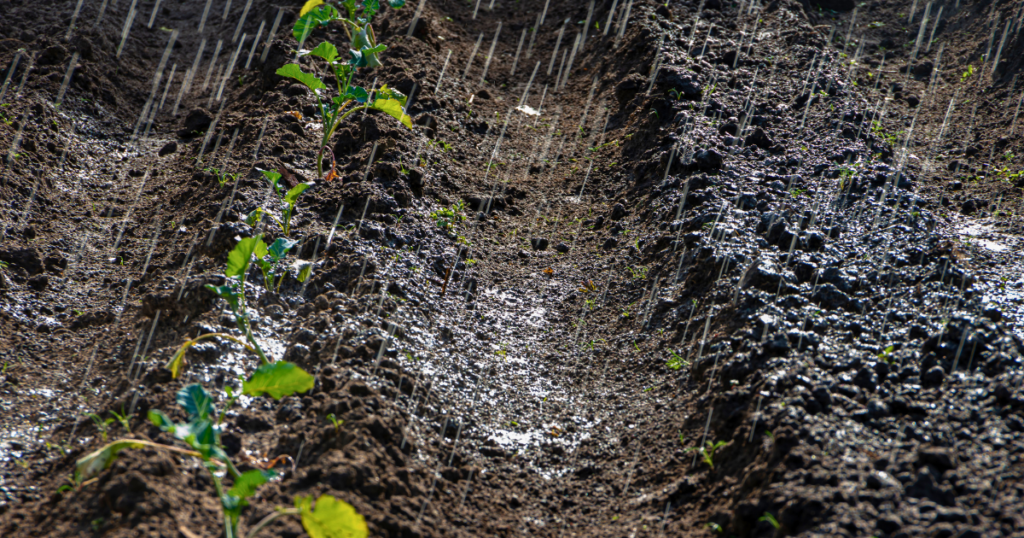
We know that all this rain will usher in a beautiful harvest. A thousand blooms will open in celebration with every color imaginable. Lush green grass will begin to fill the brown gaps left by harsh winters and freezing temperatures. Birds and bees will come to life, chirping and humming a new song every morning. The smell of fresh pine in the air and longer days filled with sunlight warms the soul. We don’t mind the rain because we know it is necessary for the beauty that we so lovingly desire. Rain is a means to an end. It’s a beautiful end.
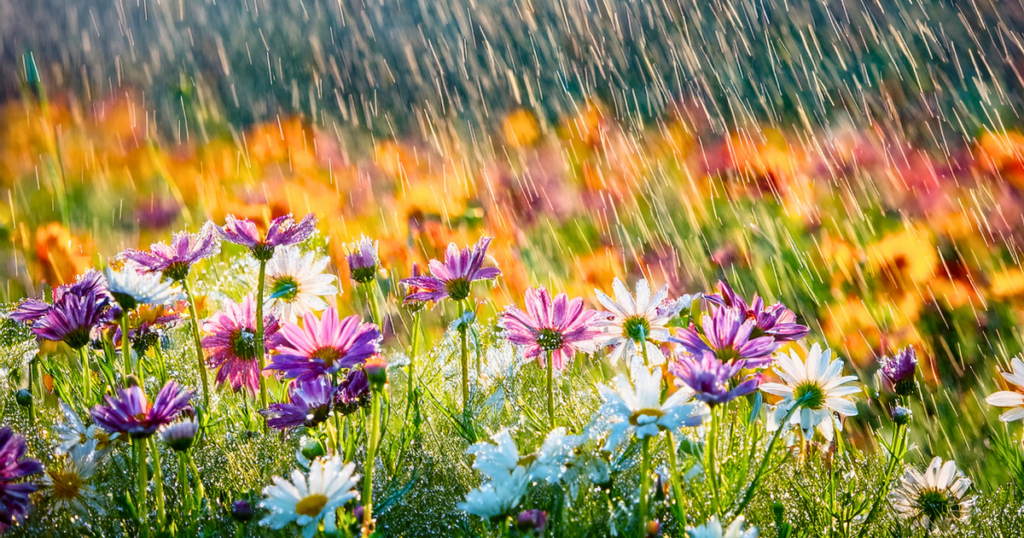
What about the rain? – When it floods…
But have you ever imagined a different rain? What about torrential downpours, floods even, that melt and sweep away the ground beneath your feet? Instead of perfectly moist soil, you are left with mud, destroyed beds, and a loss of precious seed. What if moments of relief from a much-needed rain turn into days and weeks of unrelenting downfall? The sun is blocked from giving its warming rays, and a gentle breeze morphs into gusts that chill to the bone. Instead of the sounds of Spring, there is just silence. And instead of bright pops of beautiful color, life seems dull and gray.
What about the rain? – Trusting in the downpour
Does our perspective of rain change depending on how it falls from the sky? Do we expect rain always to be soft and pretty? Isn’t God in control of ALL rain, regardless of how it feels and looks?
That’s the challenge: trusting God in the rain without controlling how it falls, how deep it gets, what it washes away, and what is left. Believing that what He allows to happen is ultimately best for the precious seed buried deep in the soil of our souls. To accept that, at times, it’s brief, refreshing, and gives us a better perspective. But we must also submit to hard rain that moves everything around us, maybe even us, to a different place to grow. Even Job prayed, “Though he slay me, yet will I trust Him.”
What about the rain? – Accepting the drops
A good gardener does whatever is necessary for the best harvest and beautiful blooms. He sees the end and works from there. The flower’s job is to be still in His hand; the seed’s job is to accept the movement of the soil. Both require love, trust, and submission.
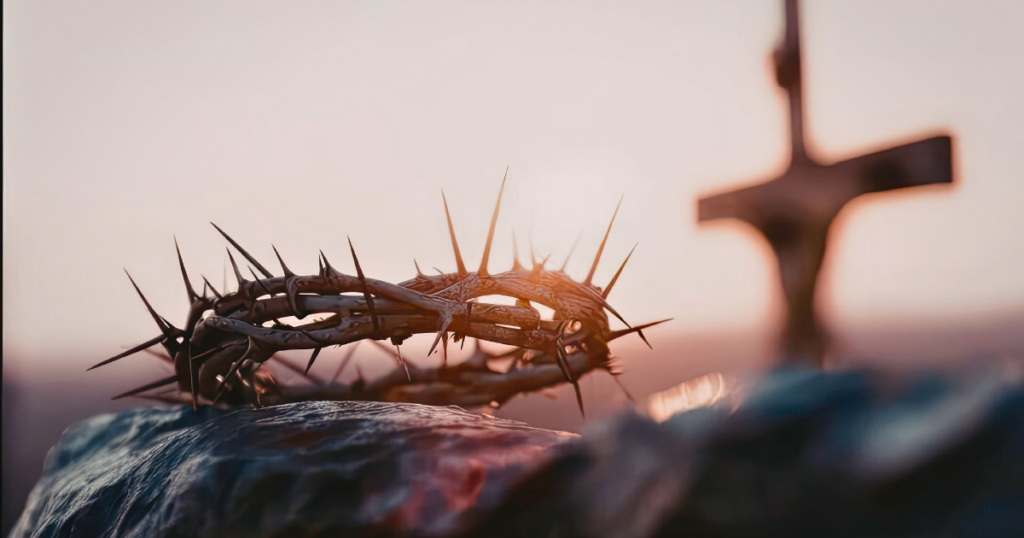
It makes me think of Easter: The Rose of Sharon walking among us, the Lily of the Valley speaking truth and setting men free. But rain and darkness were coming. Hypocritical leaders would trample His petals underfoot. The solid soil of salvation seemed to wash away instantly for His followers. This wasn’t soft or pretty. It was violent, dark, life-altering rain. And even though Jesus asked for the possibility of escaping this storm, He ultimately knew that it would bring the most beautiful harvest of all: RESURRECTION.
What about the rain? – Submission to the end
Jesus accomplished much on the cross. His death, burial, and resurrection defeated death, hell, and the grave for us all. We received the promise of His Spirit and the hope of eternal life. But He also gave us the most beautiful, lived-out example of submitting to the rain. Not only does He understand how difficult it is to walk on soil soaked with tears from the storm, but He also proved that whatever is moved, changed, and buried in obedience will rise and bloom again, and even greater than before!